
A wholesale price list is only one part of choosing a supplier. Retailers, resellers, manufacturers, cafés, spas and institutions also need dependable stock, clear packaging, traceable batches and responsive support.
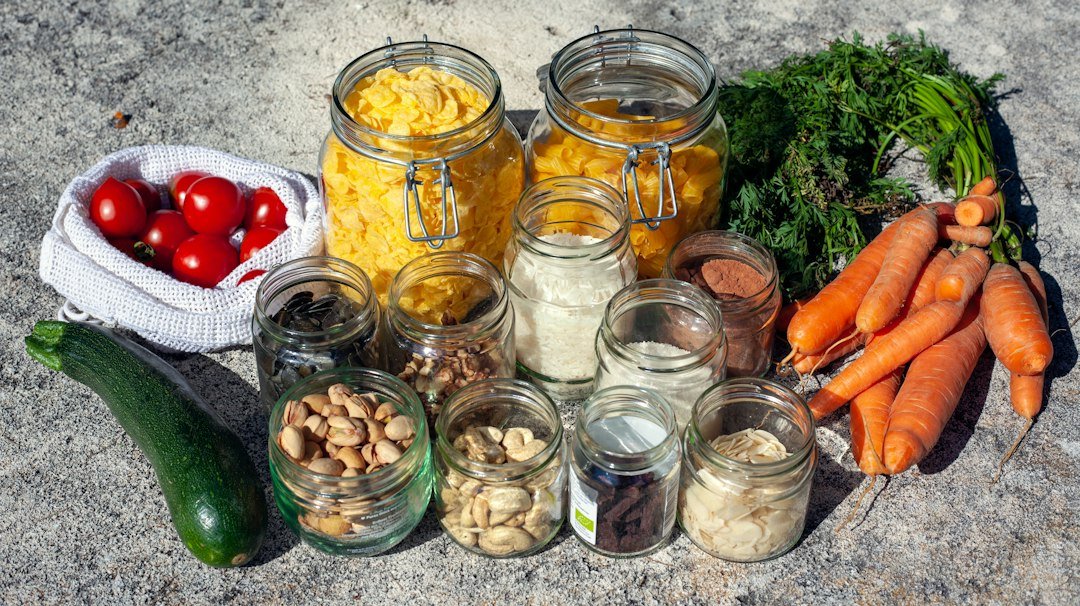
This checklist helps Nepalese businesses compare natural food, superfood, oil and wellness-product suppliers before placing a commercial order.
1. Define the exact requirement
Send the supplier a clear enquiry that includes product name, required quantity, preferred pack format, intended use, delivery location and required date. Separate retail-ready packs from bulk ingredients because pricing and documentation may differ.
2. Confirm product identity and specification
Names such as natural oil, essential oil, powder or organic product can be too broad. Ask for the exact product, grade, net quantity and relevant specification. If certified organic status is required, request current documentation rather than assuming it from the product name.
3. Compare the complete delivered cost
Do not compare only the unit price. Ask whether VAT, packaging, transport, loading or other charges are included. Confirm whether the quote is based on litres, kilograms, pieces, cartons or another unit.
4. Review minimum order quantity
A low price may depend on a larger minimum order. Choose an order size that matches realistic sales or production demand and available storage. For a new supplier or unfamiliar product, consider a sample or smaller trial order first.
5. Check packaging and labeling
Confirm whether goods arrive in retail-ready packs, plain bulk containers or customer-specific packaging. Check net quantity, batch and date information, seller identification and handling instructions on the physical pack.
6. Ask about repeat availability
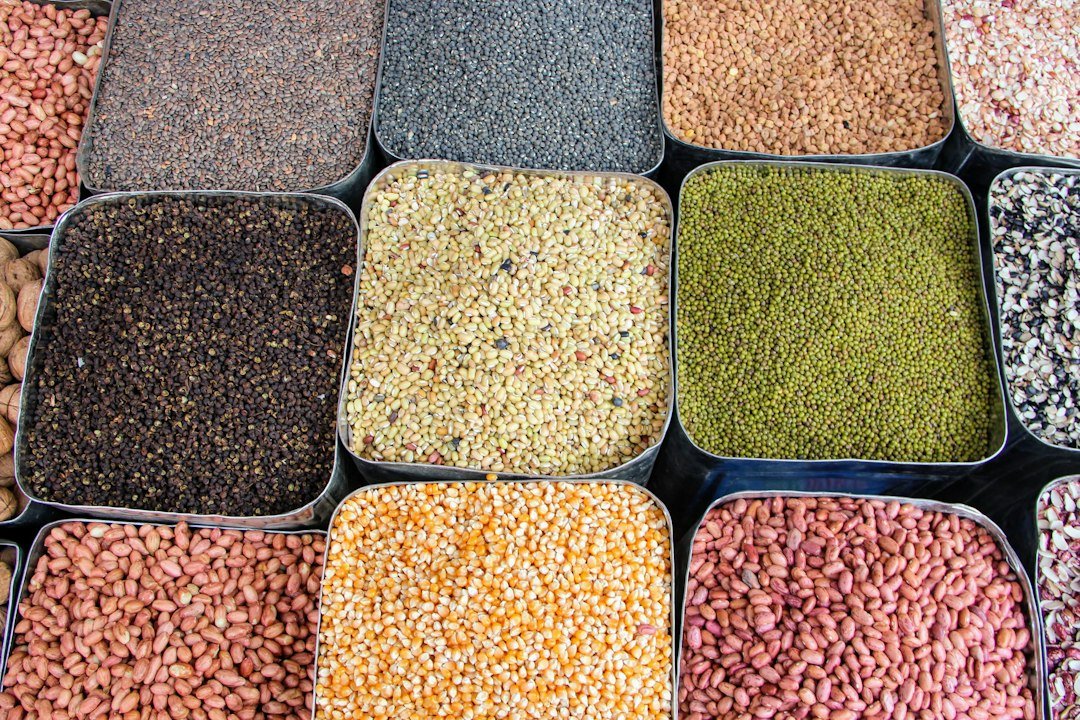
A business relationship becomes more valuable when the same product can be supplied consistently. Ask about typical lead time, restocking, seasonal limitations and how the supplier communicates substitutions or delays.
7. Clarify delivery and receiving
Provide the full municipality or district, not just the province. Ask who carries transport risk, how damage or shortages should be reported and what receiving records are required.
8. Understand payment terms
Confirm advance amount, balance timing, accepted payment method and invoice or VAT details before transferring money. Commercial terms should be written clearly in the quotation or order confirmation.
9. Evaluate supplier communication
A reliable supplier should answer specific questions clearly, confirm changes in writing and provide a reachable contact for after-sales support. Slow or vague communication before an order can become a larger problem after payment.
10. Keep purchasing records
Save quotations, invoices, batch information, delivery notes and important messages. Records make it easier to compare suppliers, manage stock and resolve future questions.
Wholesale supply through Sara Worldwide
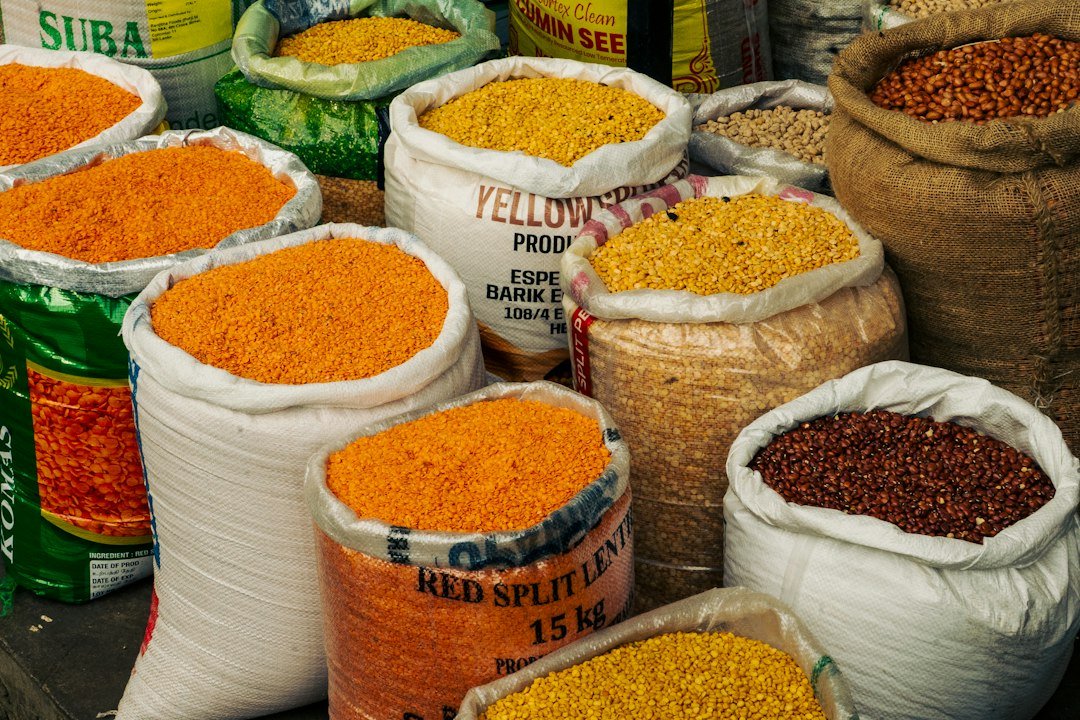
Sara Worldwide supports wholesale, dealership and institutional enquiries for selected natural foods, superfoods, botanical oils, essential oils and wellness products across Nepal.
Browse the retail catalogue to understand the available range, review the wholesale natural products page, or contact the Sara team with a structured requirement.
Frequently asked questions
What information should a wholesale enquiry include?
Include the exact product, quantity, pack format, intended use, delivery location and required date.
Should I choose the lowest quotation?
Not automatically. Compare product specification, total delivered cost, repeat availability, packaging, documentation and supplier support.
Can I request multiple products in one enquiry?
Yes. A clear list with separate quantities and pack requirements helps the supplier prepare an accurate response.