
Chia seeds have become a familiar pantry ingredient in Nepal, especially for soaked drinks, breakfast bowls, smoothies and baking. Their mild flavour makes them easy to add to everyday meals, but buyers still have practical questions: Should chia seeds be soaked? Which pack size is sensible? How should they be stored during humid weather?
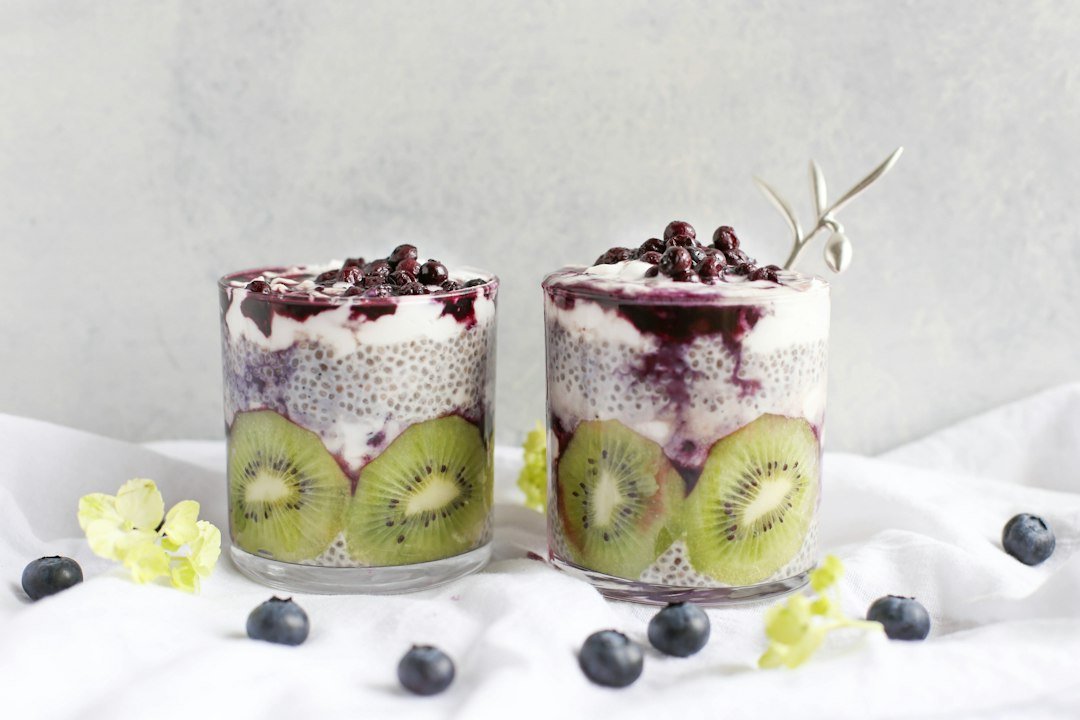
This guide explains how to choose and use chia seeds without treating them as a miracle food. If you are ready to buy, view Sara Foods Chia Seeds, available in multiple pack sizes.
What are chia seeds?
Chia seeds come from the plant Salvia hispanica. They provide fibre, plant protein and alpha-linolenic acid (ALA), a plant-based omega-3 fatty acid. These nutrients can contribute to a varied, balanced diet, but chia seeds do not replace regular meals, medical treatment or an overall healthy eating pattern.
The Harvard T.H. Chan School of Public Health also cautions against viewing chia as a magic solution for weight loss or disease. The useful approach is to treat it as one versatile ingredient among many.
How to choose chia seeds in Nepal
1. Check the pack and seal
Choose a securely sealed pack without tears, moisture or loose powder collecting inside. A good pack helps protect the seeds from humidity, kitchen odours and insects—important considerations during Nepal’s monsoon season.
2. Look at the seeds
Chia seeds normally show a natural mix of black, grey and white tones. The seeds should appear dry and free-flowing rather than damp or clumped. Black and white chia seeds are nutritionally similar; colour alone is not a quality grade.
3. Read the label
Check the product name, net quantity, packing or manufacturing information, best-before details and storage instructions. Do not rely only on large front-label claims such as “superfood.” Clear product information matters more than exaggerated promises.
4. Choose a pack size you can finish comfortably
Sara Foods Chia Seeds are currently offered in 100 g, 200 g, 400 g, 500 g, 800 g and 1000 g options. A smaller pack is practical for first-time buyers, while larger packs suit frequent household use, cafés, bakeries, resellers and institutional buyers.
| Pack size | Best suited to |
|---|---|
| 100 g | Trying chia seeds for the first time or occasional use |
| 200 g | One-person or light household use |
| 400–500 g | Regular family use, breakfast preparation or baking |
| 800–1000 g | Frequent use, cafés, food businesses or larger households |
Compare current options on the Chia Seeds product page or browse the wider Seeds & Superfoods collection.
How to soak chia seeds properly
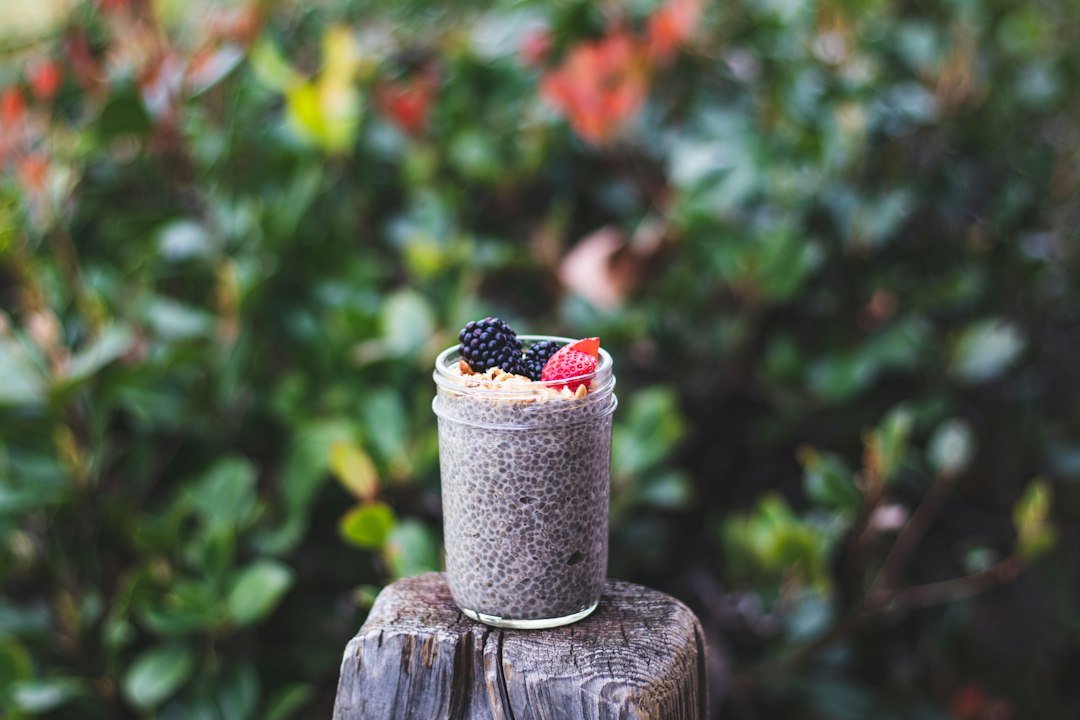
Chia seeds develop a soft gel-like coating when mixed with liquid. For a basic thick chia gel, mix ¼ cup of chia seeds with 1 cup of water, milk or another suitable liquid. Stir immediately, stir again after a few minutes to break up clumps, then leave it for about 15–20 minutes. Thin the gel with more liquid if you prefer a lighter texture.
For a simple drink, use a smaller amount of chia and more liquid. Always stir well and allow the seeds time to expand before drinking. Do not swallow a spoonful of dry chia seeds by itself and then chase it with water; the seeds swell rapidly. Anyone with swallowing difficulties should seek individual professional advice before using them.
Easy ways to use chia seeds in everyday meals
- Chia water or lemon water: Add pre-soaked chia gel to water and flavour it with lemon if desired.
- Curd, yoghurt or lassi: Stir soaked seeds into plain curd or a homemade lassi.
- Oats and breakfast bowls: Mix chia into overnight oats or add prepared chia gel to porridge.
- Smoothies: Blend a small amount into a fruit smoothie or stir in gel after blending for a thicker texture.
- Baking: Add chia to bread, muffins or pancakes. A chia-and-water gel can also work as a binding ingredient in selected recipes.
Because chia has little flavour of its own, it works best when it supports an existing meal rather than becoming the whole meal.
How much chia should you use?
There is no single serving that suits everyone. Begin with a small amount, observe how it fits your digestion and meals, and increase gradually if appropriate. Chia contains substantial fibre, so sudden large portions may feel uncomfortable for some people. Use adequate liquid and follow any personal advice from a doctor or dietitian, especially if you have swallowing or digestive concerns.
How to store chia seeds in Nepal
- Keep the pack tightly closed or transfer the seeds to a clean, airtight food container.
- Store in a cool, dry cupboard away from direct sunlight, steam and the cooking stove.
- Always use a completely dry spoon.
- Write the opening date on the container if several people use the kitchen.
- Discard the product if you notice moisture, insects, mould or an unusual rancid smell.
During humid months, buy a quantity your household or business can rotate sensibly instead of leaving an opened pack unused for a long period.
Retail and wholesale chia seeds in Nepal
Households can order through the Sara Worldwide Shop. Retailers, cafés, bakeries, wellness stores and institutional buyers can use the Wholesale page to discuss current availability, pack sizes and supply requirements. For a specific enquiry, contact the Sara Worldwide team in Kalanki-14, Kathmandu.
For more buying advice, read How to Choose Superfood Powders in Nepal or visit the central Sara Worldwide Guides hub.
Frequently asked questions
Do chia seeds need to be soaked before eating?
They can be added to moist foods such as yoghurt or porridge, but pre-soaking is a simple way to create an even texture and ensure the seeds have absorbed liquid. Avoid swallowing dry chia seeds by themselves.
How long should chia seeds soak?
About 15–20 minutes is usually enough for a basic gel. Refrigerated overnight soaking also works well for oats and breakfast preparation.
Are black and white chia seeds different?
They differ mainly in colour. Colour alone does not indicate a meaningful nutritional advantage, so prioritise freshness, packaging and clear labelling.
Do chia seeds automatically cause weight loss?
No. Chia seeds contain fibre and can be part of a balanced eating pattern, but no single food guarantees weight loss. Overall food choices, portions, activity, sleep and individual health needs matter.
Which chia-seed pack size should I buy?
Choose 100 g or 200 g if you are testing the ingredient or use it occasionally. Regular households may prefer 400–500 g, while 800–1000 g packs are more practical for frequent use or business requirements.
Can businesses buy chia seeds wholesale?
Yes. Retailers, cafés, bakeries and other organisations can send their required quantity and delivery location through the Sara Worldwide wholesale or contact page for current supply information.