
The words natural and organic are often placed close together in food marketing, but they do not mean exactly the same thing. Understanding the difference helps shoppers and businesses compare products more accurately and avoid paying for assumptions.

What does natural usually describe?
Natural is a broad descriptive word. It may refer to an ingredient that comes from a plant, seed, fruit, grain or other natural source, or to a product with limited additives. The word alone does not automatically prove a specific farming method, certification or processing standard.
What does organic mean?
Organic normally refers to production under a defined organic standard. A trustworthy organic claim should be supported by appropriate certification or documentation for the product and supply chain. Requirements and certifying bodies can vary, so buyers should check the actual label and current documents.
Plant-based does not automatically mean organic
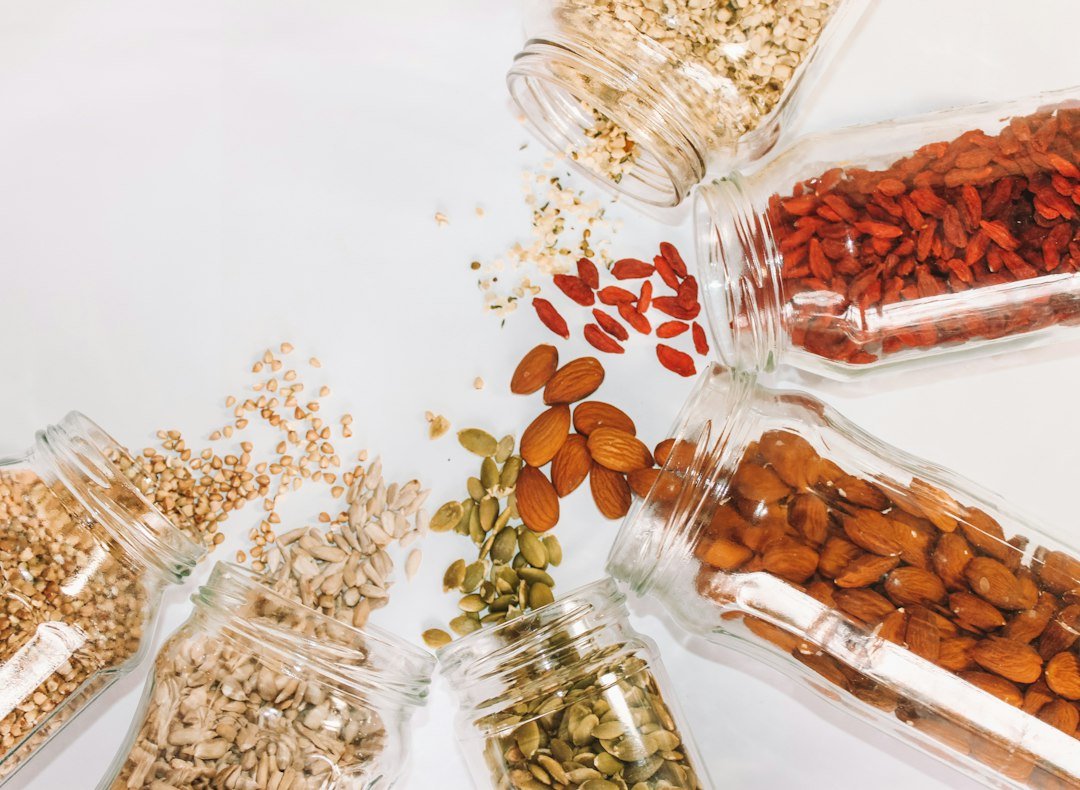
A product can be plant-based and natural without being certified organic. Spirulina, moringa powder, chia seeds, herbal tea or coconut oil should not be assumed organic unless the product carries a verified claim.
What to check on a packaged product
Ingredient list
Check whether the pack contains one ingredient or a blend. For powders and sweeteners, the front name may not describe every ingredient.
Net weight
Compare products using the same quantity. Calculating price per 100 grams or per kilogram gives a fairer comparison than looking only at the pack price.
Batch and date details
Review the physical pack for relevant batch, packaging, manufacturing and best-before information. Do not rely on a promotional photograph when the current pack is available.
Seller or distributor information
A clear label should identify the responsible business and provide a way to contact it with product questions.
Certification
If organic status is important, look for the certifier and scope rather than only the word organic. For wholesale buying, request current supporting documentation.
How to compare natural foods online
- Read the full product description and ingredient information.
- Check the current pack size, price and stock status.
- Compare price for the same net quantity.
- Look for realistic information rather than cure-all health promises.
- Ask the seller when origin, certification or intended use is unclear.
Retail and wholesale buying
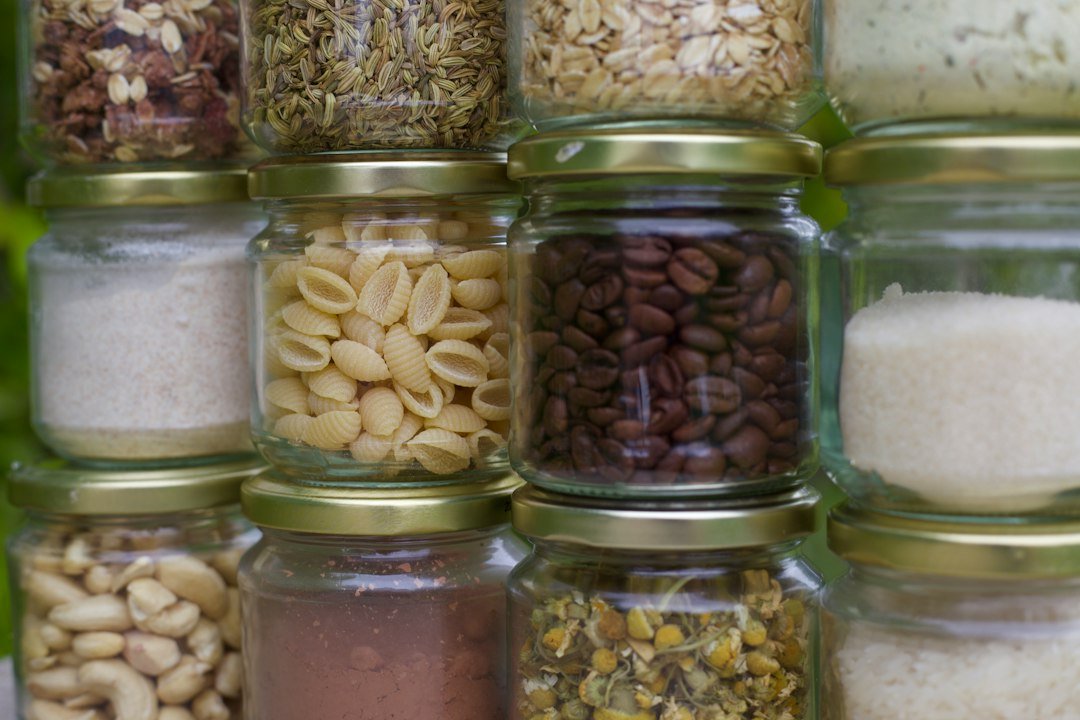
Retail customers can browse Sara Foods for seeds, superfoods, powders, sweeteners, teas, juices and pantry products. Businesses can use the wholesale page to enquire about bulk, reseller or institutional supply.
For a product-specific question, contact Sara Worldwide with the product name, required pack size and delivery location.
Frequently asked questions
Is every natural food organic?
No. Natural and organic are not interchangeable terms. Check the product label and supporting certification when organic status matters.
Does organic always mean less processed?
Not necessarily. Organic describes a production standard, while processing level is a separate consideration. Review both the certification claim and ingredient information.
How can businesses verify an organic claim?
Ask for current certification or supplier documentation that clearly applies to the product being purchased.